ORDO MISSAE (LATIN)
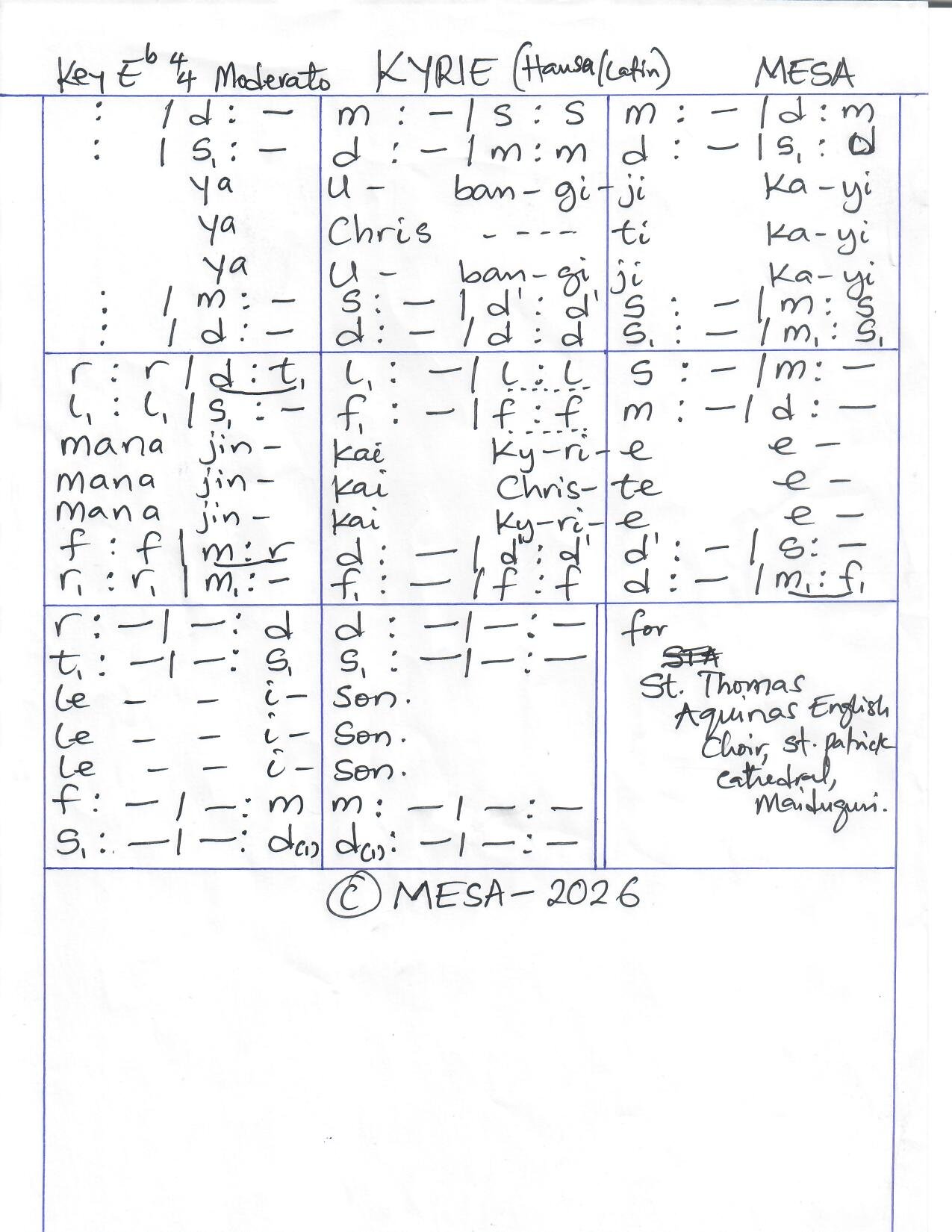
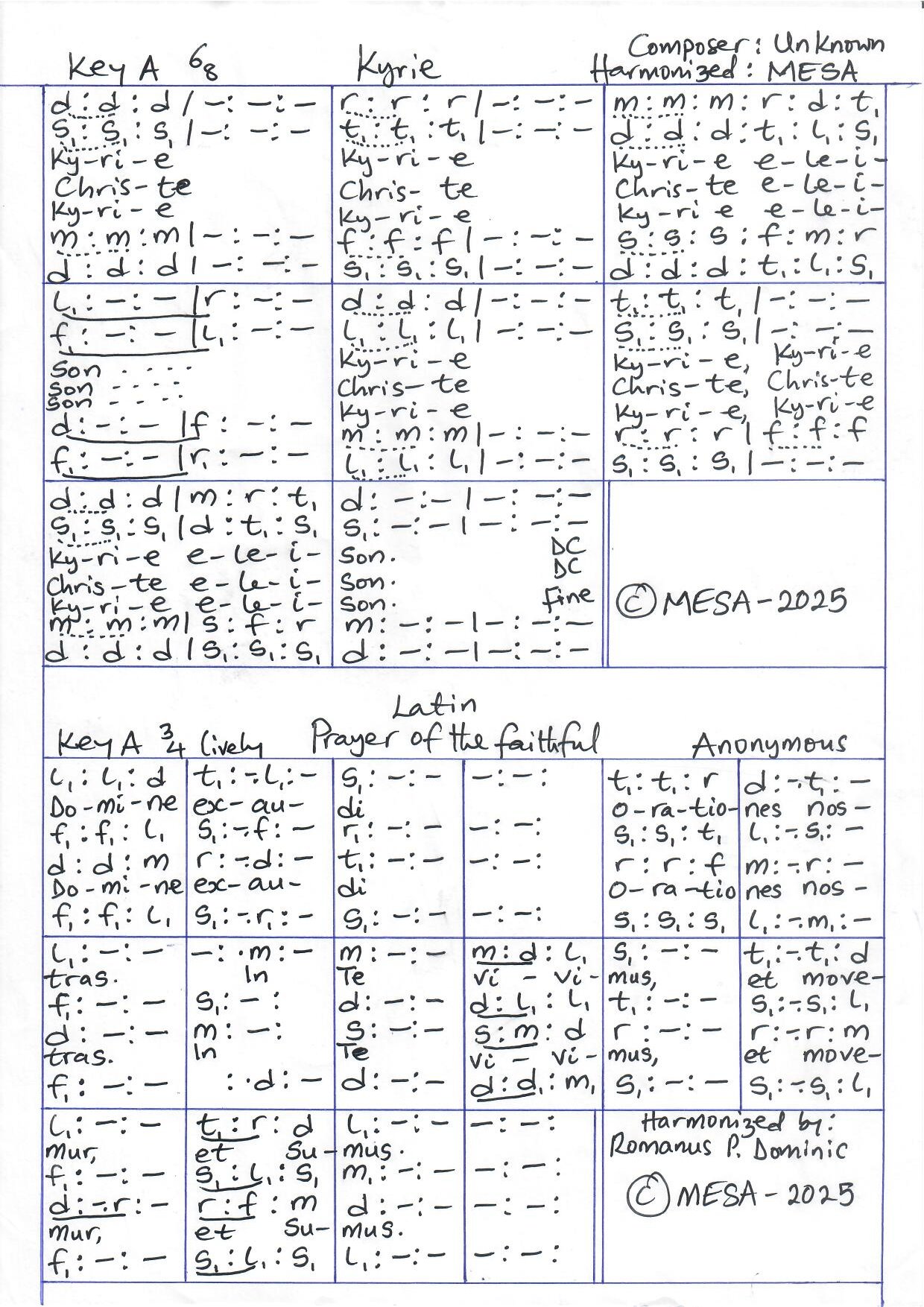
Solfa Notation • Latin Hymns, Penitential Rite / Kyrie, Sanctus (Holy, Holy, Holy), Agnus Dei (Lamb of God), Gloria, Creed (I believe), Memorial Acclamation

Subscribed as
Want Sunday picks sent to another address too?
Your choir should not be left out in what's trending
Sunday mass selections, psalms, and trending songs in your area — straight to your inbox.
ORDO MISSAE (LATIN) by Goddy Khama — Lyrics
About ORDO MISSAE (LATIN)
For generations, the flowing Gregorian melodies of *Missa de Angelis* (Mass VIII) and *Credo III* have echoed through Catholic parishes around the world. This comprehensive solfa transcription of the *Ordo Missae* brings that universal tradition directly into the Nigerian choir loft, making the ancient Latin chants accessible to singers who rely on tonic sol-fa notation. It covers the entire sung Ordinary of the Mass, from the opening Sign of the Cross and the *Kyrie* through to the final *Ite missa est*.
Singing plainchant is a deeply unifying experience for a choir. Because there are no separate harmony parts, every voice joins together in a single, soaring unison line that breathes with the natural rhythm of the Latin text. This setting includes not only the major hymns like the *Gloria*, *Sanctus*, and *Agnus Dei*, but also the vital dialogues between the priest and the people, such as the Preface, the Memorial Acclamation, and the *Pater Noster* (Our Father).
Choirmasters often bring out this setting for solemnities, major feast days, and special liturgical seasons where a sense of reverence and historical continuity is desired. By lifting these words in their original language and melody, the choir helps the congregation connect with the wider, historical worship of the Church, creating an atmosphere of profound sacredness during the Eucharistic celebration.